Training Tip: How Posting to the Trot can Make You a Better Rider
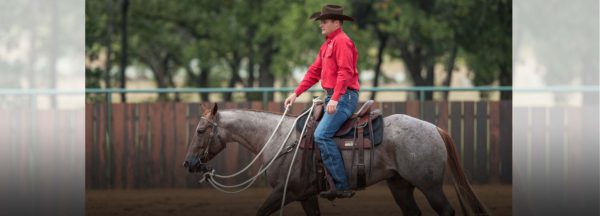
Balance gives you an independent seat, allows you to move in rhythm with your horse, cue him correctly and boosts confidence in the saddle. How do you get balance? By having proper position. When you’re sitting properly in the saddle, you should be able to draw a straight line from your ear, shoulder, hip and down to your heel. You want to sit in such a way that if your horse was suddenly yanked out from under you, you’d land on your feet.
Hands down, the best way to improve your balance in the saddle is posting to the trot. I’ve been teaching horsemanship now for 25 years and have taught thousands of riders in my clinics and seminars. Over the years, I’ve noticed one thing – the majority of people who post really well have excellent balance. People who don’t post very well, or don’t post at all, usually have the worst balance. Why? Because in order to post well, you must have rhythm and balance, and you must be in time with your horse’s feet. Posting is done at the trot which is a two-beat, diagonal gait. When you post, you move up and down in time with the horse’s feet. If you want to develop balance, I recommend you learn to post and practice doing it frequently.
