Training Tip: Nothing Beats Experience
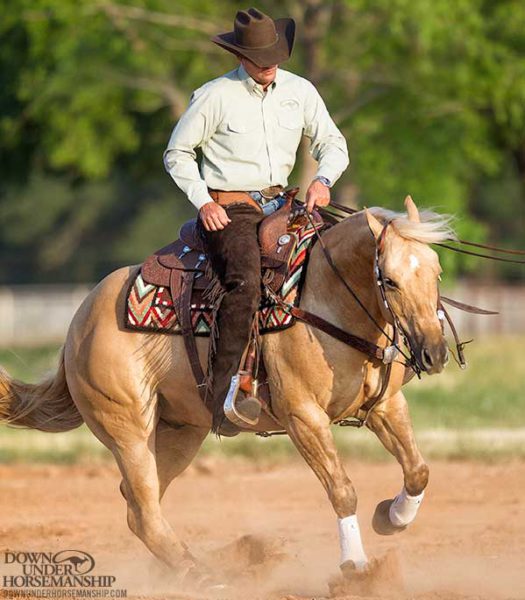
The tricky part of knowing when a horse truly can’t get any better versus a horse that is lazy and chumping you takes experience to determine. It’s always a struggle when you’re learning as a horseman to ask yourself, “Is there anything I can do to make this horse better, or is this as good as he gets?” Nothing beats hands-on experience. It’s important to know the theory and philosophy behind training horses, but when push comes to shove, you have to be able to apply it.
Over the past 17 years, I’ve fine-tuned the Method so much so that it’s almost flawless. That means if your technique is great and your horse is not getting any better, you’ve hit his limit. However, if your technique is lacking and your feel and timing are not good, your horse can get better. We see this all the time at clinics. Most participants’ horses that come to clinics back up poor to average. We, my Certified Clinicians and I, can get the horses backing up much better because we have better technique. That’s why I encourage people to go to clinics and work with a knowledgeable instructor to learn to better their technique and gain more experience to develop better feel and timing. It’s hard to develop those skills on your own.
